How Smart Homes Reduce Electricity Bills
Learn how smart homes reduce electricity bills using smart lighting, automation, energy monitoring, and intelligent climate control systems.
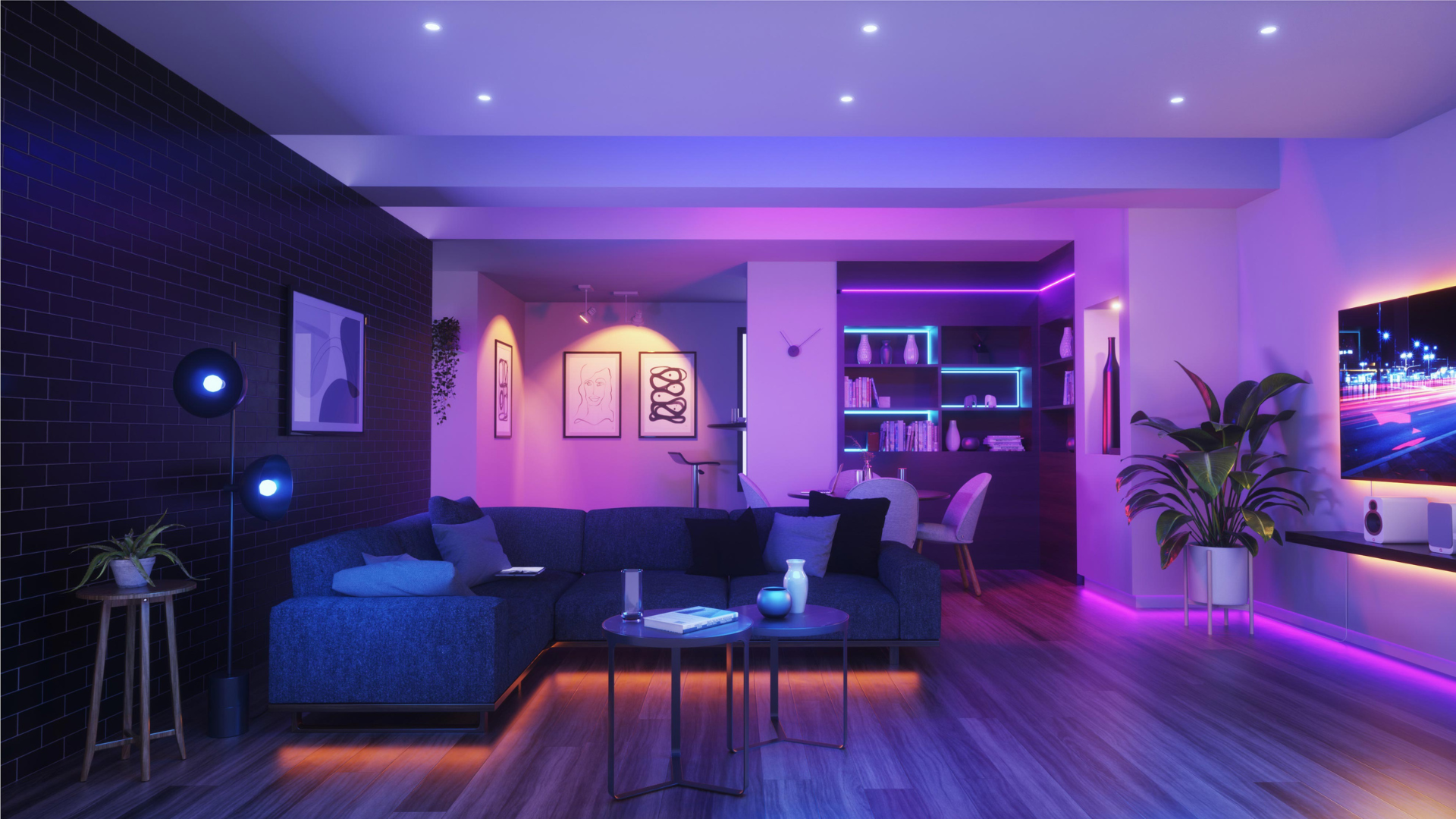
How Smart Homes Reduce Electricity Bills
Electricity bills are rising every year. From air conditioners running longer in summer to lights and appliances being left on unnecessarily, energy waste is common in most households.
But what if your home could automatically reduce this waste?
That’s exactly what smart home technology is designed to do. A properly configured smart home doesn’t just offer convenience — it helps you save real money every month.
Let’s explore how smart homes reduce electricity bills and why automation is becoming a practical investment for modern families.
1. Smart Lighting Saves Power Automatically
Traditional lighting wastes energy because:
-
Lights are left on accidentally
-
Brightness is not adjusted based on need
-
Outdoor lights run longer than required
With smart lighting systems, you can:
-
Schedule lights to turn off automatically
-
Use motion sensors so lights activate only when someone enters
-
Dim lights to reduce power consumption
-
Control everything remotely via mobile
LED smart bulbs also consume significantly less electricity than traditional bulbs. Over time, this creates noticeable savings.
2. Intelligent Climate Control Reduces AC Usage
Air conditioners and heaters consume the highest electricity in most homes.
Smart thermostats and climate control systems help by:
-
Automatically adjusting temperature based on room occupancy
-
Turning off AC when windows are open
-
Learning your daily routine
-
Allowing remote temperature control
For example, instead of running the AC all day, you can switch it on 15 minutes before reaching home.
This controlled usage significantly lowers monthly bills.
3. Smart Plugs Prevent Phantom Power Drain
Many appliances consume electricity even when turned off. This is called standby or phantom power.
Devices like:
-
Televisions
-
Set-top boxes
-
Microwaves
-
Chargers
continue drawing small amounts of power.
Smart plugs cut off power completely when devices are not in use. You can also schedule them to switch off automatically at night.
Small savings daily turn into big savings yearly.
4. Energy Monitoring Provides Real Insights
One major reason people overspend on electricity is lack of awareness.
Smart energy monitoring systems show:
-
Real-time electricity consumption
-
Device-wise usage
-
Daily and monthly energy reports
When you see which appliance consumes the most energy, you naturally adjust usage habits.
Data-driven awareness leads to smarter decisions.
5. Motion Sensors Eliminate Unnecessary Usage
How often are lights or fans left running in empty rooms?
Motion sensors solve this problem by:
-
Detecting presence
-
Automatically turning devices off when no movement is detected
-
Activating systems only when needed
This is especially helpful in:
-
Bathrooms
-
Staircases
-
Parking areas
-
Offices
Automation ensures energy is never wasted.
6. Smart Curtains Help Control Heat
Sunlight entering your home increases indoor temperature, forcing air conditioners to work harder.
Smart curtains or blinds can:
-
Automatically close during peak sunlight hours
-
Open during cooler hours for natural light
This reduces heat buildup and lowers AC dependency.
7. Scheduled Automation Prevents Overuse
Smart homes allow you to create routines such as:
-
“Leave Home Mode” – turns off all lights and appliances
-
“Vacation Mode” – maintains minimal power usage
Instead of manually checking everything, automation handles it for you.
8. Remote Control Prevents Mistakes
Have you ever left home and wondered if you switched off the iron or AC?
With smart home apps, you can:
-
Check device status remotely
-
Turn off appliances instantly
-
Receive alerts if something is left running
This avoids both electricity waste and safety risks.
How Much Can You Actually Save?
Savings depend on:
-
Size of your home
-
Number of smart devices installed
-
Your current energy usage habits
On average, smart homes can reduce electricity bills by 10–30% when properly configured and used consistently.
While there is an initial investment, long-term savings and increased efficiency make it worthwhile.
Are Smart Homes Expensive?
Many people assume smart automation is costly. However:
-
You can start small with smart lights and plugs
-
Gradually expand to climate control and sensors
-
Choose scalable solutions
Even basic automation can make a noticeable difference in electricity consumption.
Final Thoughts
Smart homes are not just about luxury or modern lifestyle — they are about efficiency.
By combining automation, sensors, scheduling, and remote control, smart homes reduce electricity waste in ways that manual systems simply cannot.
If you want lower electricity bills, better control, and improved comfort, investing in smart home technology is a practical and forward-thinking decision.


Comments
Post a Comment